
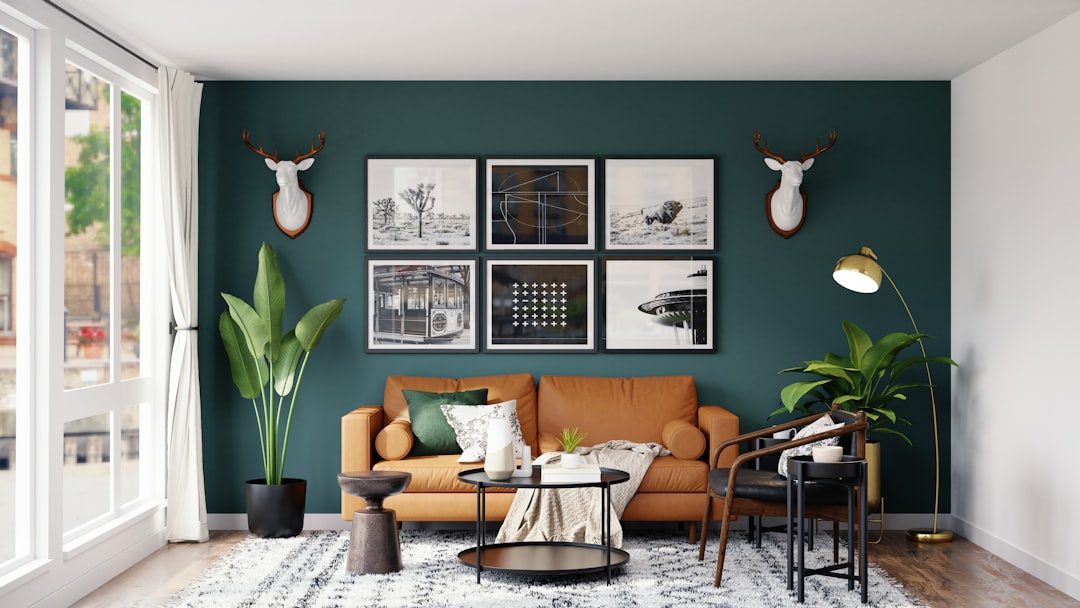
How to Mix Decor Styles Without Making Your Home Look Disconnected
Mixing decor styles creates personality and depth, but when done haphazardly it can leave a home feeling cluttered and disjointed. The goal is intentional contrast: combine different aesthetics so each element complements a larger, cohesive story.
Start with a few clear rules and repeat small cues across rooms. Use one thoughtful reference point — color, material, or scale — to tie disparate pieces together. For inspiration and practical pieces that help unify a room, browse Home Decor.
Pick a dominant style anchor
Choose one anchor style that sets the primary mood of the space (for example, modern-minimal or rustic-farmhouse). Let that anchor inform major choices like seating, rugs, and shelving. Big pieces ground a room, so invest time in selecting furniture that works as a base — you can layer other styles on top. See options under Furniture for foundational pieces that last.
Harmonize with color and finish
Color is the easiest way to make mixed styles feel intentional. Limit your primary palette to three core hues and repeat them across textiles, walls, and accessories. Metallics and finishes act like a visual glue: a brass lamp, matte-black frames, or warm wood tones repeated across rooms will read as intentional rather than accidental. Small accent pieces help carry finishes through the space — browse Vases & Accent Pieces for ideas you can repeat or rotate.
Balance patterns and textures
Mixing patterns requires a controlled approach: combine scale and texture rather than clashing motifs. If you have a bold patterned rug, offset it with solid upholstery and textured throw pillows. Curtains, woven wall hangings, and layered textiles help create depth while echoing colors from other areas. For window treatments and decorative textiles that tie rooms together, check Wall & Window Decor.
Let statement pieces guide transitions
Choose one or two statement pieces per room — a sculptural chair, oversized mirror, or graphic light fixture — that read clearly from adjoining spaces. A statement chair, for example, can act as a visual waypoint between a living room and a study. If you’re looking for bold seating that bridges styles, consider curated choices like Accent Chairs & Ottomans to anchor transitions.
Make functional rooms feel cohesive
Open-plan homes often mix living, dining, and kitchen styles. To keep the flow, repeat at least one material (wood tone, metal, or stone) and one color across those spaces. Kitchen accessories and small decor items offer a subtle way to echo living-area accents. Explore Kitchen Decor for pieces that help the kitchen speak the same visual language as nearby rooms.
Tabletop layering: keep dining styles complementary
When your dining set or table style differs from the rest of the home, use plates, linens, and flatware to bridge the gap. Mixing a modern table with vintage chairs works if place settings and textiles reflect shared tones or finishes. Choose complementary utensils and serving pieces to finish the look — see flatware options at Flatware to harmonize tabletop styles.
Edit, layer, and repeat
Successful mixes are edited mixes. Edit ruthlessly: remove anything that competes for attention. Layer thoughtfully — rug, coffee table, artwork, and lighting — then repeat a small number of cues (a color, a metal, a pattern) across the house. Good storage and deliberate placement make a big difference; use consistent storage solutions in transitional areas to keep the look tidy. Practical organizers and pantry options can help keep visual clutter at bay — look at Kitchen storage for functional, style-friendly solutions.
Checklist: Quick steps to mix styles without disconnect
- Pick one dominant anchor style (major furniture or architecture).
- Limit your core palette to three hues; repeat them room-to-room.
- Repeat at least one material or finish across spaces.
- Use large pieces to ground and small accents to connect.
- Edit often — remove items that create visual noise.
- Layer textures and vary pattern scale for balance.
FAQ
Q: How many styles can I mix?
A: Aim for 2–3 distinct styles. More than that risks visual confusion unless you have a very strong unifying thread.
Q: What’s the easiest way to make eclectic pieces feel cohesive?
A: Repeat color and finish. Small recurring elements (a brass lamp, a navy pillow) make diverse pieces look deliberate.
Q: Should I match wood tones across rooms?
A: Not necessarily. Mixing wood tones is fine if you repeat at least one finish or color elsewhere to tie them together.
Q: How do I handle open-concept transitions?
A: Create sightlines with repeated cues: a consistent rug color, a series of pendant lights, or matching metals between kitchen and living areas.
Q: Can vintage and modern coexist?
A: Yes. Use scale and proportion to balance them, and anchor the room with a contemporary piece or color to avoid a staged feel.
Conclusion
Mixing styles well comes down to intention: choose an anchor, repeat small cues, edit ruthlessly, and layer with purpose. When you control color, material, and scale, different design influences will support each other instead of competing — creating a home that feels curated and connected.