
How to Choose the Right Rug Size and Placement for Any Room
Choosing the right rug size and placement transforms a room from disjointed to intentional. The right rug anchors furniture, defines zones, and balances scale—without overwhelming the space.
Before you buy, measure, plan your furniture layout, and consider how the rug will function in daily life. For inspiration and coordinating pieces, check a curated Home Decor collection that pairs rugs with accessories and furniture styles.
Know the basic rug sizes and how they read in a room
Standard rug sizes (5×8, 6×9, 8×10, 9×12, and runners) are starting points—your room’s proportions and furniture layout determine which works. A rug too small will make a space feel fragmented; a rug too large can swallow the room. As a rule of thumb, leave 12–24 inches of bare floor around the rug in living rooms to create a frame unless you’re covering most of the floor in a large room.
Living room: anchor the seating area
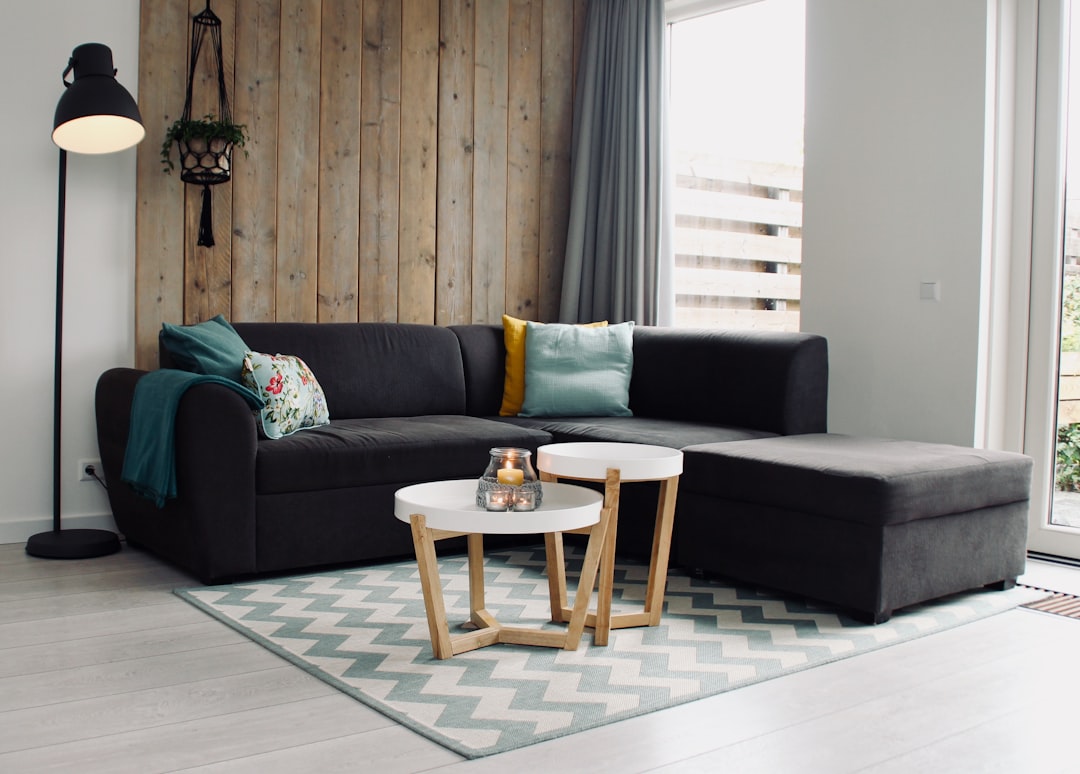
There are two reliable options: place all furniture legs on the rug for a unified look, or put only the front legs on the rug for a lighter, layered feel. For most medium to large rooms, an 8×10 or 9×12 under a primary seating group (sofa, loveseat, chairs) is ideal. When planning around a large sofa, visualize the rug extending at least to the front legs of the sofa and chairs so the seating reads as one composition. See complementary seating ideas in the Sofas & Sectionals category to match scale and style.
Placement tricks for accent chairs and smaller seating groups
Smaller seating areas and reading nooks can use rugs sized 4×6 or 5×8. Center the chair on the rug or place the front legs on the rug to keep it anchored without needing a large area rug. If you’re arranging occasional chairs or an ottoman, coordinate dimensions so edges align or intentionally create a slight offset for visual interest. Browse coordinating pieces like Accent Chairs & Ottomans to ensure proper scale between seating and rug.
Dining room: leave room for chairs
The dining rug must accommodate chairs pulled out for seating. Measure the table plus the distance chairs travel when pulled out—typically add 24 inches on all sides of the table. For most dining tables that means choosing a rug at least 8×10 for a 6-seater and 9×12 for an 8-seater. If your dining area blends into the kitchen, coordinate textures and colors with surrounding elements in the Kitchen Decor range for a cohesive look.
Bedroom: frame the bed for comfort and scale
In bedrooms, rugs help define the sleeping area and add warmth underfoot. For a queen bed, aim for an 8×10 rug that extends past the sides and foot of the bed; for a king, use a 9×12. Alternatively, use runner rugs along each side or a single runner at the foot if you have limited space. Layer textures and pillows that complement the rug’s tones—consider accent pillow options like the Smooffly Rug Pillow Cover to echo colors and patterns.
Hallways, entryways, and runners: measure twice, choose narrow
Runners typically leave 4–6 inches of bare floor on either side; avoid a runner that’s too narrow or too short. In entryways, choose a rug that allows doors to open freely and provides space to remove shoes. Dress the area with vertical accents or wall art to complement the runner and scale—look for pieces in Wall & Window Decor to balance the horizontal line of a runner.
Layering rugs and mixing patterns
Layered rugs add depth—place a natural fiber or sisal base with a patterned rug on top. Keep proportions in mind: the top rug should be smaller and centered, and patterns should be in complementary scales (large pattern with small pattern). Add sculptural decor or a floor vase nearby to anchor the layered look; consider accent pieces from Vases & Accent Pieces to enhance texture and height.
Maintenance and cleaning tips
Choose a rug fiber based on traffic: wool for durability and feel, synthetic blends for stain resistance, and natural fibers for low-cost layering. Routine care prevents premature wear—vacuum regularly, rotate rugs seasonally, and address spills immediately. For optimal upkeep, pair your rug routine with appropriate tools found in Vacuum Cleaners & Accessories to keep fibers clean and maintain pile height.
Quick checklist before you buy
- Measure the room and furniture—mark rug dimensions on the floor with painter’s tape.
- Decide whether the rug should anchor the full seating group or just the front legs.
- Allow appropriate clearance around the rug (12–24″ in living rooms; 24″ for dining chairs).
- Choose fiber and pile based on room traffic and pets.
- Coordinate color and pattern with nearby decor and accent pieces.
- Plan maintenance: vacuuming, rotation, and spot cleaning tools.
FAQ
- How big should a rug be under a coffee table? Aim for the rug to extend under the front legs of surrounding seating by at least 6–12 inches; ideally the rug should reach the front legs of the sofa.
- Can a rug be too big? Yes—if a rug covers all wall-to-wall floors in a small room it can make the space feel cramped. Leave a border of floor for balance unless you are intentionally carpeting the entire area.
- What rug shape works best? Rectangular rugs fit most rooms; round rugs work well under round dining tables or in small seating nooks to soften hard lines.
- How do I choose rug color and pattern? Use rugs to ground the palette: neutrals for longevity, patterns to hide wear. Pull accent colors from pillows, art, or accessories for cohesion.
- How often should I rotate my rug? Rotate rugs every 6–12 months to even out wear, especially in areas with heavy foot traffic.
Practical takeaway: measure first, anchor furniture intentionally, and choose fiber and size based on function—then refine color and texture with accessories for a polished, comfortable result.
Products Featured in This Article

Smooffly Rug Pillow Cover Vintage R…
Make sure this fits by entering your model number. Size: 12" x 20" / 30cm x…