
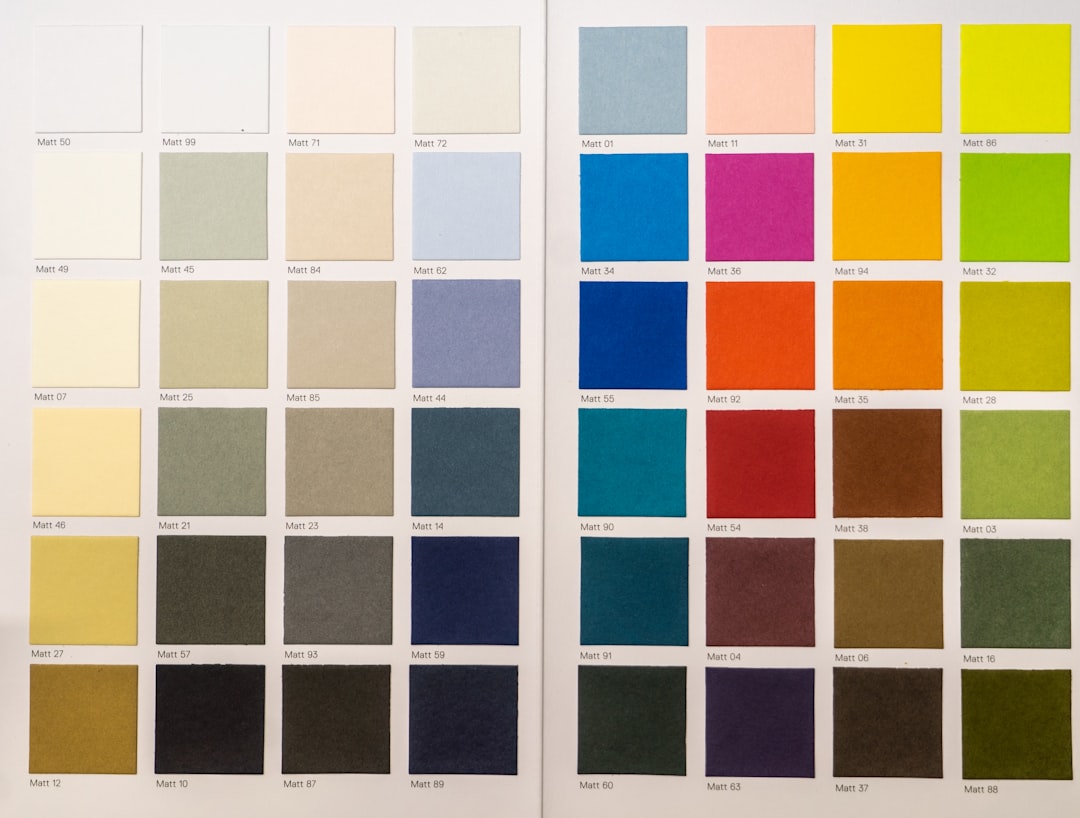
How to Choose the Right Color Palette for Every Room
Choosing a color palette is one of the fastest ways to make a home feel cohesive and intentional. The right palette supports a room’s function, enhances natural light, and makes furnishing and decorating decisions simpler.
This guide gives practical, step-by-step advice for selecting colors room by room, plus testing tips and a quick checklist you can use during any refresh or full redesign.
1. Start with the room’s purpose
Before picking a hue, define how you use the space. High-traffic social rooms benefit from durable, forgiving colors; bedrooms need calming tones; kitchens require finishes that hide wear. When planning a kitchen, think beyond paint—consider coordinated accents and functional decor that integrate with the palette. See kitchen-specific styling ideas at Kitchen Decor.
2. Build a three-part palette: base, accent, trim
Work in layers: a neutral base (walls/floor), a set of two to three accent colors (furniture/soft goods), and a trim color (molding/doors). Using a reliable category of finishes and decor helps visualize combinations—browse overall styling pieces in Home Decor for reference when assembling these layers.
3. Let light and undertones guide choices
Natural and artificial lighting changes how paint reads. Warm light brings out yellow and red undertones; cool light emphasizes blues and greens. Window treatments, reflective surfaces, and the size of openings influence perceived color intensity—products for windows and walls can affect this, see ideas in Wall & Window Decor.
4. Anchor the room with large pieces
Major items—sofas, rugs, cabinetry—set the palette’s scale. Choose one low-risk large piece in a neutral or muted tone, and use smaller furniture to introduce color. When selecting seating or large furniture, review sturdy, palette-defining options in the Furniture category to ensure your big pieces coordinate with your intended scheme.
5. Coordinate textiles and accent objects
Throw pillows, rugs, curtains, and vases let you tweak intensity without commitment. Use textiles to repeat accent colors across the room and to introduce pattern that balances solids. If you’re adding sculptural or decorative elements, check accent-focused pieces at Vases & Accent Pieces to complete groupings.
6. Practical tips for kitchens and small spaces
In compact rooms, simplify the palette—two plus neutrals—and emphasize contrast through hardware or storage solutions. For tight kitchens, choose storage items and organizers that match or complement your main tones rather than clash; view functional storage ideas at Kitchen storage.
7. Decide on finishes and metal tones
Finishes (matte, satin, gloss) and metal undertones (brass, chrome, black) are part of the palette. Pick one metal family and repeat it—mixing many metallics can create visual noise. For inspiration on metallic color direction and how it pairs with tabletop or kitchen hardware, consider product finishes like the Matte Gold Silverware Set 20 Pieces to understand how a warm metal reads against soft neutrals and deep hues.
8. Test, sample, and live with it
Buy paint samples and large swatches. Apply paint on multiple walls and view at different times of day. Use tools like sample apps, swatches, and physical testers to see undertones. A small set of helpful practical tools and testers is available in Tools & Gadgets if you need measuring or trial accessories.
9. Pulling it all together
Once you’ve settled on colors, commit to repeatable rules: one strong accent per room, a neutral base across connected spaces, and at least two repeating elements (textile, accessory, art) that echo accent colors. Maintain flow between rooms by carrying at least one color or material from one space to the next.
Quick Checklist
- Define the room’s primary function and mood.
- Choose base, accent, and trim colors (3–5 total).
- Test paint samples on multiple walls and observe in daylight and nightlight.
- Pick one metal finish and one major furniture tone to anchor the room.
- Use textiles and accent pieces to introduce patterns and secondary colors.
- Confirm storage and functional items match the palette.
FAQ
- How many colors should I use in one room? Aim for a neutral base plus two to three accents; repetition creates cohesion.
- What if my furniture doesn’t match new walls? Use rugs, pillows, or accent pieces to bridge tones; you can also repaint furniture or introduce a unifying finish.
- How do I pick colors for an open floor plan? Use a restrained base across the space and vary accents by zone to define areas while maintaining flow.
- Can I mix warm and cool colors? Yes—balance them by choosing a dominant undertone and using the other as a sparing accent.
- What’s the easiest way to make a small room feel larger? Use a light, low-contrast base color and add deeper hues in small accents to create depth.
Practical takeaway: pick a neutral base first, anchor with a major furniture or finish choice, and refine with repeatable accents—test samples under real light before committing.
Products Featured in This Article

Matte Gold Silverware Set 20 Pieces…
Make sure this fits by entering your model number. 20 Piece Matte Gold Silverware Set: Include…