
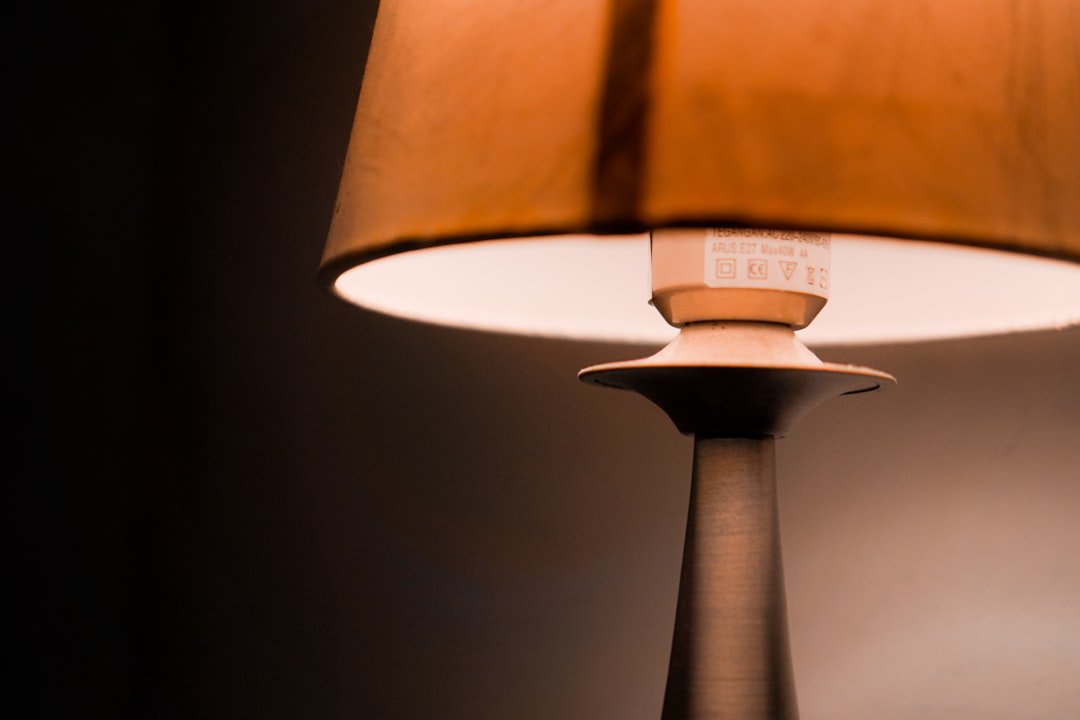
Lighting Tips That Make Your Home Feel Warmer and More Spacious
Good lighting does two things: it makes a room feel inviting, and it tricks the eye into seeing more space. With thoughtful choices you can create warmth without sacrificing brightness or function.
These practical tips focus on layering light, using reflective surfaces, and arranging furniture so light works for you. If you’re refreshing a room, start with simple changes and build from there—small swaps often deliver the biggest impact for both comfort and perceived size. For styling ideas and accessories to support these changes, check our Home Decor collection.
1. Maximize Natural Light First
Let daylight do most of the heavy lifting. Remove heavy drapes, trim any overhanging foliage outside windows, and choose sheer or light-filtering window treatments that let light through while maintaining privacy. Place seating and key activity zones close to windows so natural light highlights the room’s focal points.
For quick updates, consider simple window treatments and wall-mount storage that keeps sill areas clear—see options under Wall & Window Decor to improve light flow without a full renovation.
2. Layer Ambient, Task, and Accent Lighting
Layering creates depth. Start with a warm ambient source (overhead or multiple lamps), add task lights for specific areas (reading, cooking), and finish with accent lighting to highlight art or architectural features. This approach prevents a flat, uninviting look and makes rooms feel larger because the eye can move between levels of light.
Installing dimmers, smart bulbs, or plug-in lamps gives you control over these layers. Browse Tools & Gadgets for dimmer switches and easy plug-in solutions that don’t require rewiring.
3. Choose Warm, High-CRI Bulbs and Add Accent Strings
Color temperature and color rendering index (CRI) matter. Aim for warm white bulbs (2700–3000K) with a CRI of 90+ for natural skin tones and cozy color. Higher CRI prevents colors from looking washed out and helps spaces feel more inviting.
Accent lights like warm LED string lights give a soft glow in alcoves, shelves, or along headboards. Outdoor-grade warm strings can work inside for durability and warm color—consider decorative options such as BlcTec Outdoor Christmas Decoration for flexible, low-profile accents.
4. Use Reflective Surfaces and Accent Pieces to Bounce Light
Mirrors are the obvious tool for increasing perceived space, but smaller reflective accents also work wonders. Metallic trays, glass vases, and glossy ceramics pick up and scatter light into corners.
Group a few accent pieces on a console near a lamp or window to amplify light and create a curated, bright vignette—explore tasteful options in our Vases & Accent Pieces collection to add reflective texture without clutter.
5. Position Furniture to Enhance Flow and Light Distribution
Furniture placement influences both warmth and perceived size. Float seating away from walls when possible to allow light to pass behind pieces. Keep pathways clear so sightlines run uninterrupted; an unbroken line from doorway to window instantly feels more spacious.
Create a warm reading nook by pairing a floor lamp with a comfortable seat. Lightweight accent seating prevents visual heaviness—see Accent Chairs & Ottomans that fit small corners and let light move around them.
6. Declutter and Optimize Storage to Open Up Space
Clutter consumes visual space and blocks light. Clear countertops, minimize surface items, and store bulky things behind doors or in baskets. Built-in or vertical storage keeps floors visible and improves light reflection from the floor up through a room.
If you need practical, compact solutions for kitchen and living spaces, our Kitchen storage options include stackable and vertical organizers that keep surfaces clear and light unobstructed.
7. Creative Fixtures and Small-Space Solutions
In small rooms, built-in or multi-function fixtures save space and add light. Consider slim wall sconces, picture lights, or furniture with integrated lighting. Using furniture that includes task lighting reduces the need for multiple floor lamps and preserves floor area.
For a practical example, small cabinets and organizers with built-in LEDs provide targeted illumination without additional lamps—products like the Vlsrka 47” LED Jewelry Armoire demonstrate how built-in lights can brighten tight corners and improve function.
Quick Checklist
- Maximize daylight: remove heavy drapes, keep window sills clear.
- Layer ambient, task, and accent lighting with dimmers or smart bulbs.
- Choose warm (2700–3000K) high-CRI bulbs for coziness and true color.
- Add reflective accents (mirrors, glossy vases) to bounce light.
- Arrange furniture to maintain sightlines and let light flow.
- Declutter and use vertical storage to open floor space.
- Use built-in or multi-function lighting fixtures in small rooms.
Conclusion
Make a plan: maximize natural light, layer warm artificial light, and reduce clutter so light can move freely. Small swaps—a few warm bulbs, a mirror, a string of soft LEDs, or better storage—deliver a room that feels both warmer and larger without major expense.
FAQ
Q: What bulb temperature makes a room feel warmer?
A: Choose 2700–3000K for a warm, cozy look. Avoid higher temps for living spaces.
Q: Can string lights actually help a room feel larger?
A: Yes—when used as accent lighting along vertical lines or alcoves, they add depth and draw the eye upwards.
Q: How do mirrors help with warmth as well as space?
A: Mirrors reflect both natural and artificial light; placing a mirror opposite a window increases daylight and a mirror near a warm lamp spreads that glow across the room.
Q: Are smart bulbs worth the investment?
A: Smart bulbs or dimmer-capable fixtures give you control over intensity and color; that flexibility helps you tune warmth and perceived space for different activities.
Q: What’s the fastest way to make a small room feel less cramped?
A: Declutter surfaces, open sightlines by rearranging furniture, and add a warm ambient lamp plus an accent reflective element to brighten corners.
Products Featured in This Article

Vlsrka 47″ LED Jewelry Armoir…
💄[Quality Material] – This cabinet is made of wood and offers longtime use. The beautiful white…

BlcTec Outdoor Christmas Decoration…
Safety and Energy Efficiency: To ensure absolute safety, the star Christmas lights have been thoroughly tested…